
Why Most Lawyers Don’t Handle Property-Damage-Only Car Accident Claims
If you were in a car accident that only damaged your vehicle, you may find it difficult to hire an attorney to pursue a property-damage-only claim. The reason is simple: these claims rarely recover enough money to cover an attorney’s fees. Most personal injury lawyers take property damage matters only when they are connected to a bodily injury claim.
Still, it’s important to understand why these claims are handled differently—and what options you may still have for getting your vehicle repaired or replaced after a crash.
What Counts as Property Damage?
Property damage is harm to anything that isn’t a person. It may result from natural forces or from someone’s carelessness.
Common examples include:
-
Damage to your home, driveway, or other residential property
-
Damage to personal items such as your car, motorcycle, bicycle, or even a pet
-
Damage to commercial property
How Much Is a Property Damage Claim Worth?
The value of your claim depends on several factors:
-
What type of property was damaged
-
How severe the damage was
-
Whether insurance coverage applies
-
Whether another person is responsible for the damage
Compensation usually includes the cost of repairs. If the property is a total loss, you may be entitled to its fair market value.
Why Personal Injury Lawyers Avoid Property-Damage-Only Cases
Personal injury attorneys typically work on a contingency fee, meaning they only get paid if they recover money for you. Property-only claims usually involve low-dollar damages, so the financial recovery rarely justifies hiring an attorney—unless the case also involves bodily injury.
Because of this, most firms decline property-only car accident claims.
How to Recover Money After a Property-Only Car Accident
Even without an attorney, you still have options:
1. File an Insurance Claim
Depending on your state:
-
No-fault states: You file through your own insurance company, regardless of who caused the crash.
-
At-fault states: The at-fault driver’s insurance must pay for your vehicle damage.
Collision or comprehensive coverage—if you purchased it—may also help.
If the other driver is uninsured or their policy doesn’t cover your loss, you may have to pay out-of-pocket.
2. Consider Small Claims Court
If insurance will not cover your losses, you may be able to sue the at-fault driver in small claims court. Keep in mind:
-
There are limits on how much you can recover
-
Even if you win, the defendant must have the ability to pay
Steps to Strengthen Your Property Damage Claim
Call the Police
Always report the crash. A police report provides documentation of the parties involved and the officer’s findings on fault.
Notify the Insurance Company
Report the crash as soon as possible and follow all claim procedures. Delays can affect your right to compensation.
Repair or Finalize the Vehicle Payout
The insurance adjuster will inspect the damage, gather repair estimates, and arrange repairs. If your vehicle is totaled, you should receive a check for its pre-accident value.
If the insurance company delays or undervalues your claim, you may want to speak with an attorney who handles property-related disputes.
When an Attorney May Be Needed for Property Damage
Some property-damage-only cases—particularly those involving major losses—require legal support. These often involve “acts of God,” such as:
-
Hurricanes
-
Water damage
-
Wind
-
Fire
-
Smoke
Large-scale losses can involve complex insurance issues and significant financial harm.
Filing Deadlines: Don’t Miss the Statute of Limitations
Even for property damage, states impose deadlines for filing a lawsuit. In many places, you only have a few years to bring your claim. Missing the deadline can bar you from recovering anything.
Always act promptly after an accident.
Be Cautious When Speaking With Insurance Companies
Insurance companies are not on your side. Their goal is to minimize payouts. Avoid:
-
Admitting fault
-
Apologizing
-
Making statements that could be used against you
If you feel pressured or the adjuster is undervaluing your claim, consider talking to a lawyer.
Tips for Negotiating Your Property Damage Settlement
-
Do not accept the first offer. Early offers are usually low.
-
Know your numbers. Determine what amount would fairly compensate you.
-
Ask for justification. Request an explanation for any offer the insurer makes.
-
Get everything in writing. This protects you from later disputes.
If You Were Injured in the Crash, Contact a Car Accident Attorney Immediately
If your vehicle was damaged and you suffered injuries, your situation changes entirely. Injury claims involve larger damages, more complex insurance issues, and a higher likelihood of unfair treatment by insurers.
An experienced car accident attorney can:
-
Investigate the crash
-
Secure evidence
-
Work with experts to support your claim
-
Handle all negotiations
-
Take your case to trial if necessary
If you were hurt in a car accident, contact a qualified attorney today for a 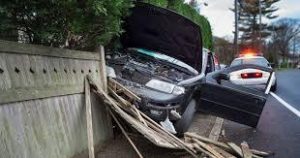 consultation. You deserve skilled, aggressive representation that fights for the full compensation you’re owed.