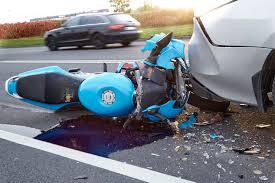

Psychological and Emotional Trauma After a Car Accident
The emotional fallout from a car crash is often just as disruptive—and sometimes even more life-altering—than the physical injuries. Long after the bruises fade, many victims continue to struggle with anxiety, fear, depression, sleep issues, and other mental health challenges that impact every part of their daily lives. Unfortunately, insurance companies frequently minimize these injuries, making it harder for victims to get the support and financial recovery they need.
At Applebaum Accident Attorneys, we understand that emotional and psychological trauma deserves the same level of attention as physical injuries. Your mental health matters—and you have the right to pursue full compensation for the harm you’ve suffered.
Common Signs of Emotional Distress After a Crash
Even when there’s no visible injury, the emotional impact of a collision can be profound. Victims may experience symptoms such as:
-
Anxiety or persistent worry
-
Mood swings or irritability
-
Anger or frustration
-
Fearfulness, including fear of driving
-
Sleep problems or nightmares
-
Loss of appetite
-
Crying spells
-
Loss of interest in hobbies or normal activities
-
Difficulty concentrating
-
Feeling overwhelmed or hopeless
These symptoms can make working, attending school, or even leaving the house a challenge. Many victims avoid driving or even riding in a car, which can disrupt medical treatment, family obligations, and everyday routines.
Whether these symptoms last weeks or months, emotional distress after a car accident is real—and it deserves to be taken seriously.
PTSD After a Car Accident
For some, emotional trauma develops into post-traumatic stress disorder (PTSD)—a serious mental health condition triggered by the overwhelming stress of the crash. Research shows that approximately 9% of car accident survivors develop PTSD.
Common PTSD symptoms include:
-
Intrusive memories or flashbacks
-
Nightmares related to the crash
-
Avoiding driving or anything that reminds them of the accident
-
Severe emotional distress when triggered
-
Depression
-
Social withdrawal
-
In extreme cases, self-harm
Recovering from PTSD often requires ongoing therapy, medication, and structured mental health support. These costs can be significant, which is why including emotional trauma in your injury claim is essential.
Long-Term Psychological Effects of Traumatic Accidents
While some victims recover emotionally within a few months, others continue to struggle long after the crash. Studies show that one-third of people involved in serious accidents experience lasting mental and emotional distress, including:
-
Anxiety disorders
-
Driving phobias
-
Depression
-
PTSD
-
Avoidance behaviors
These long-term effects can interfere with work, relationships, and daily life, making a full recovery even more challenging without professional support.
Emotional Recovery After a Crash
Healing emotionally takes time, patience, and the right support. If you’re struggling after an accident, the following steps can help:
• Talk about what you’re feeling
Open up to family, friends, or your doctor. Professional mental health treatment is highly effective, and early intervention can make recovery easier.
• Stay engaged in your routine
Depression and anxiety can quickly take hold. Light activity, social interaction, and daily structure can help stabilize your emotional wellbeing.
• Follow up with your doctor
Your medical provider can refer you to specialists, recommend therapy, and prescribe medication if needed.
• Ease back into normal activities—especially driving
Fear is normal, but avoiding driving completely can worsen anxiety. Gradual exposure, defensive driving courses, and professional help can rebuild confidence.
Compensation for Emotional and Psychological Damages
Car accident victims can recover compensation for both economic and non-economic damages. While medical bills and lost wages fall under economic losses, emotional and psychological injuries fall under non-economic damages, which may include:
-
Pain and suffering
-
Emotional distress
-
Mental anguish
-
PTSD
-
Loss of enjoyment of life
-
Loss of companionship or support
Because these damages don’t come with a bill or invoice, proving them requires experience, documentation, and a strong legal strategy. Our team works closely with medical and mental health professionals to demonstrate how the crash has affected your life.
How an Attorney Can Help
Handling a claim while dealing with emotional trauma is overwhelming. Insurance companies often downplay mental and emotional injuries to limit what they owe. An experienced car accident lawyer can:
-
Collect evidence of emotional and psychological harm
-
Work with mental health experts
-
Document how the crash has affected your daily life
-
Prove non-economic damages
-
Negotiate with the insurance company
-
Fight for a fair settlement or take the case to court if necessary
Your only focus should be healing. We take care of everything else.
Get Help From Applebaum Accident Attorneys
If you’re struggling emotionally after a car accident, you’re not alone—and you don’t have to face the legal process on your own. Our team provides compassionate guidance, personalized support, and aggressive representation to ensure you receive the full compensation you deserve.
We offer no-obligation consultations, and you pay nothing unless we win your case.
Applebaum Accident Attorneys
Protecting the Injured. Pursuing Justice.