
Roundabouts Are Safer—But Accidents Still Happen
Roundabouts have become more common across the U.S., but many drivers still aren’t fully comfortable navigating them. That uncertainty can quickly turn these intersections into dangerous places, putting drivers, pedestrians, and cyclists at risk.
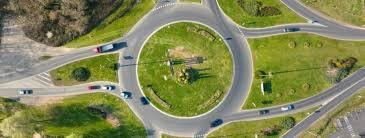
A roundabout is a circular intersection where incoming traffic must yield to vehicles already in the circle. Unlike traditional traffic circles, roundabouts do not rely on traffic signals, which means drivers must stay alert and follow right-of-way rules at all times.
Why Roundabouts Can Be Both Helpful and Hazardous
Roundabouts are designed to slow drivers down, reduce serious crashes, and eliminate risky left-hand turns. When used correctly, they are generally safer than four-way stops or signalized intersections.
However, that safety benefit disappears when drivers are unsure of how to use them. Unfamiliarity can cause hesitation, sudden stops, and poor lane choices, all of which put everyone around them in danger.
Roundabouts also bring vehicles, pedestrians, and cyclists into a much tighter space than traditional intersections. When Vulnerable Road Users—such as bikers and walkers—are close to fast-moving cars, injuries can become catastrophic.
Confusion Leads to Collision
Many drivers feel anxious the moment they approach a roundabout—especially in an unfamiliar area. Without traffic lights or clear guidance, they may be unsure when to enter, which lane to choose, or which exit to take. That confusion often leads to unexpected stops, hesitation, and risky maneuvers that can cause serious crashes.
Understanding Right-of-Way in a Roundabout
Right-of-way is the biggest factor in roundabout safety. Here’s what drivers must remember:
-
Pedestrians and cyclists always have the right of way, even without walk signals. Failing to yield can cause devastating injuries.
-
After pedestrians and cyclists, vehicles already inside the roundabout have the right of way.
-
Drivers entering the roundabout must wait for a clear break in traffic from the left.
-
If you are already in the roundabout, never stop to let someone in. It creates a hazard for every vehicle behind you.
Avoiding Rear-End Crashes in Roundabouts
Rear-end collisions are extremely common in roundabouts because one sudden stop can trigger a chain reaction. The rule is simple:
Do not stop while inside the roundabout.
If you miss your exit, stay calm and continue around until you can exit safely.
Large Trucks and Turning Risks
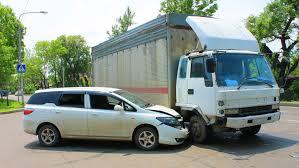
Roundabouts can be challenging for trucks and other large vehicles due to tight turning radiuses and large blind spots. In multi-lane roundabouts, trucks often need to transition across lanes to complete their turn. When drivers fail to give them space, the result can be a severe collision.
Driver Behavior Plays a Major Role in Roundabout Safety
Bad habits that may seem minor elsewhere can become dangerous in a roundabout. Poor communication, distracted driving, and panicked decisions often escalate in these tight, high-traffic environments.
To help prevent accidents:
-
Use your turn signal when changing lanes or exiting.
-
Stay alert for cyclists and pedestrians, who may be harder to see.
-
Avoid sudden lane changes, especially if visibility is limited.
Speeding Inside a Roundabout Is a Recipe for Disaster
Roundabouts are built to slow traffic. When a driver enters at 40–45 mph instead of the intended 15–25 mph, the results can be catastrophic.
Speeding makes it far more likely that a driver will:
-
Misjudge a curve
-
Lose control in rain or bad weather
-
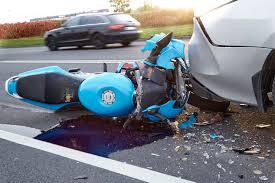
Miss a pedestrian, cyclist, or motorcyclist in the circle
Most high-speed crashes in roundabouts involve inattentive or reckless driving.
Distracted and Impaired Driving Inside Roundabouts
Roundabouts demand focus. A distracted or impaired driver may struggle to judge gaps in traffic, recognize pedestrians, or understand the flow of the intersection. With vehicles approaching from multiple angles—and Vulnerable Road Users nearby—the margin for error becomes small.
A distracted driver can easily miss a cyclist approaching on the right or fail to yield to a family crossing the street. An impaired driver may not react in time to avoid a crash altogether.
Injured in a Roundabout Accident? We’re Here to Help
A roundabout crash can leave drivers, cyclists, and pedestrians with serious injuries and unexpected expenses. Determining fault can also be challenging because of the unique design of these intersections.
If you were hurt in a roundabout accident, Applebaum Accident Attorneys is ready to stand by your side. We understand how overwhelming recovery and insurance negotiations can be, and we’re here to take that burden off your shoulders.
Our team fights aggressively for accident victims, ensuring they get the compensation they deserve so they can focus on healing and rebuilding their lives.
Call us today for a consultation(855-Call-Paul) .
.
Let us help you move forward with confidence.