
Pedestrian Bridges May Create More Risks Than They Solve
Pedestrian bridges were introduced as a safer alternative for people traveling on foot across busy roadways. But while these structures are meant to prevent accidents, the reality is more complicated. In many cases, pedestrian bridges may unintentionally increase the danger for both pedestrians and drivers—especially when they are poorly designed, improperly maintained, or simply not accessible to everyone.
If you or a loved one has been injured in a pedestrian accident in Florida, understanding how these bridges affect safety and liability is an important first step.
What Are Pedestrian Bridges?
Pedestrian bridges come in many forms—enclosed walkways between buildings, wooden footbridges, or metal overpasses above highways. Their goal is simple: separate pedestrians from traffic. But when these bridges replace traditional crosswalks, pedestrians may still choose to cross at street level. When combined with negligent drivers, this creates a recipe for tragedy.
If you were hurt because a driver failed to pay attention or because a bridge was unsafe, you may have grounds to pursue compensation.
Are Pedestrian Bridges Helping Florida’s Pedestrian Safety Problem?
Florida consistently ranks among the most dangerous states in the country for pedestrians. Limited public transportation and car-centric roadway design leave many residents walking by necessity—not choice. While pedestrian bridges should, in theory, improve safety, they often fall short.
In 2019 alone, Florida saw 713 pedestrian fatalities. Bridges have not eliminated these risks, and in some cases, they’ve created new ones.
When Pedestrian Bridges Become Dangerous
Structural Failures and Design Defects
The 2018 pedestrian bridge collapse at Florida International University tragically demonstrated how dangerous these structures can be when they are improperly designed or maintained. In cases like this, construction companies, engineers, and oversight agencies may be legally responsible for the harm caused.
Accessibility Issues
Many pedestrian bridges require long stairways or steep ramps—an obstacle for people who use wheelchairs, mobility aids, or who simply cannot manage a strenuous climb. Even with ADA guidelines in place, Florida’s wet climate can make ramps slippery and dangerous.
As a result, many people avoid using the bridge altogether, including college students who report choosing street-level crossings because nearby bridges feel unsafe or poorly maintained.
Nighttime Safety Concerns
Poor lighting and isolated walkways can make pedestrian bridges feel unsafe—particularly for women walking alone at night. Many choose to avoid the bridge altogether, opting instead to cross the road directly. Unfortunately, nighttime is when most fatal pedestrian accidents occur.
Determining Liability in a Nighttime Pedestrian Accident
When poor lighting, inadequate walkways, or bridge design flaws contribute to an accident, questions of responsibility become more complex. Both drivers and government entities may share liability depending on:
-
Driver negligence
-
Roadway or bridge design
-
Lighting and visibility issues
-
Whether a pedestrian bridge was provided
Even when a bridge is present, drivers still have a duty to operate their vehicles safely. Speeding, distracted driving, and impaired driving can make a driver fully responsible for hitting a pedestrian.
If you were injured at night, a personal injury lawyer can help determine exactly who is at fault and pursue compensation on your behalf.
What to Do After a Pedestrian Accident
If you’ve been hit by a car, the steps you take immediately afterward make a significant difference in both your health and your legal claim:
1. Seek medical attention immediately
Even minor symptoms can hide serious injuries like traumatic brain injuries.
2. Call law enforcement
A police report will help establish what happened at the scene.
3. Document the accident
Take photos, videos, and gather witness information if you can do so safely.
4. Keep track of all medical and repair records
Your attorney will use this information to build your case.
Failing to seek prompt medical care can harm both your recovery and your ability to pursue compensation.
Holding Drivers Accountable for Negligence
Drivers frequently cause pedestrian accidents through careless or reckless behavior. Even when a pedestrian bridge is nearby and the pedestrian must yield, drivers still:
-
Must be alert
-
Must drive at safe speeds
-
Must avoid distractions
-
Must not drive impaired
Many drivers assume that the presence of a bridge means pedestrians won’t be nearby—leading to dangerous behaviors and tragic outcomes. When a driver’s negligence results in injury, they can be held liable.
How a Personal Injury Lawyer Can Help After a Pedestrian Accident
A knowledgeable pedestrian accident attorney can help you recover compensation for:
-
Lost wages
-
Pain and suffering
-
Medical expenses and future treatment
-
Therapy and rehabilitation
-
Property damage
Insurance companies often try to shift blame or minimize payouts. A skilled attorney can protect your rights, gather evidence, and fight for the full compensation you deserve.
Contact Applebaum Accident Group for Help With Your Pedestrian Accident Case
Pedestrian bridges may be designed to improve safety—but all too often, they introduce new hazards that lead to serious injuries or wrongful death. At Applebaum Accident Group, we understand how devastating these accidents can be physically, financially, and emotionally.
If you or a loved one was injured in a pedestrian accident, we are here to stand with you. Our team brings experience, compassion, and a relentless drive to secure justice for our clients.
Contact us today for a consultation(855-Call-Paul)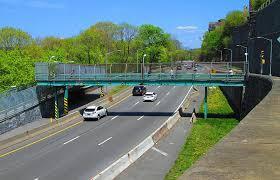 .
.
We’ll review your case, explain your rights, and guide you every step of the way.