
What Is Radiculopathy?
Radiculopathy is not a standalone diagnosis. Instead, it’s a term doctors use to describe a problem that occurs when one or more spinal nerve roots are irritated, compressed, or damaged. When this happens, the affected nerve cannot function properly, often leading to pain, numbness, tingling, weakness, or difficulty controlling certain muscles.
Because these symptoms originate at the nerve root, they can radiate outward to other parts of the body. Radiculopathy most commonly affects the neck (cervical spine) and lower back (lumbar spine), though it can also occur in the middle of the back (thoracic spine), which is less common.
Types of Radiculopathy
Cervical Radiculopathy
Cervical radiculopathy occurs when nerves in the neck become irritated or pinched. These nerves control movement and sensation in the shoulders, arms, and hands. When damaged, symptoms may include neck pain, arm pain, weakness, numbness, or tingling.
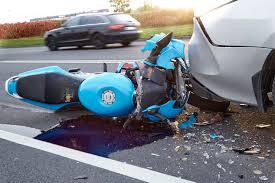
Degenerative changes in the cervical spine—such as disc wear or arthritis—can contribute to this condition. However, traumatic events like car accidents or motorcycle crashes can also cause sudden and severe nerve damage.
Lumbar Radiculopathy
Lumbar radiculopathy affects the lower back and can cause pain that radiates into the hips, buttocks, or legs. Damage or compression of nerve roots in the lumbar spine often leads to chronic lower back pain, leg weakness, or numbness. When pain travels down the leg, it is commonly referred to as sciatica.
Degeneration vs. Traumatic Injury
As we age, some degree of spinal degeneration is normal. Many people have herniated discs or degenerative changes without experiencing any symptoms. Often, it takes a traumatic event—such as a car accident—to turn a previously pain-free condition into a serious injury.
Insurance companies frequently point to MRI findings that show degeneration in the spine. What they often overlook is the absence of prior symptoms. If someone had no history of neck or back pain before a crash, and symptoms appeared afterward, the accident may have aggravated or worsened a pre-existing condition.
Under Florida law, injury victims can still recover compensation when an accident aggravates or exacerbates an existing condition. In these cases, medical records and clinical symptoms are just as important as diagnostic imaging.
Common Symptoms of Radiculopathy
Symptoms depend on which part of the spine is affected, but often include:
-
Pain in the neck, back, arms, or legs
-
Numbness or tingling in the extremities
-
Muscle weakness
-
Limited range of motion in the neck or back
-
Burning, sharp, or radiating pain
Nerves in the neck affect the arms and hands, nerves in the mid-back affect the chest and abdomen, and nerves in the lower back affect the hips, legs, and feet.
Radiculopathy and Car Accidents
Neck and back injuries are among the most common injuries caused by car accidents. In more serious cases, spinal trauma can damage nerves and lead to radiculopathy.
After a crash, prompt medical evaluation is critical—especially if pain, numbness, or weakness develops. Some spinal injuries may not be immediately obvious but can worsen over time if left untreated.
Warning Signs That Require Immediate Medical Attention
-
Loss of bowel or bladder control
-
Weakness in the arms or legs
-
Numbness in parts of the body
-
Partial or complete paralysis
Diagnosing and Treating Radiculopathy
Doctors who treat spinal injuries may order X-rays, CT scans, or MRI scans to identify the source and severity of the injury. Once diagnosed, treatment may include rest, medication, physical therapy, rehabilitation, or, in severe cases, surgery.
For nerve-related conditions like radiculopathy, a physician may also order an EMG (electromyography) test. This study measures how well nerves are sending signals to muscles and can help confirm nerve damage.
Get Legal Help After a Spine Injury
If you developed neck or back pain, nerve symptoms, or radiculopathy after a car accident, you should not assume the insurance company’s explanation is the final word. These cases often require experienced legal advocacy to show how an accident caused or worsened a spinal injury.
A knowledgeable personal injury attorney can review your medical history, work with your doctors, and fight for the compensation you deserve for medical bills, lost wages, and pain and suffering.
If you have questions about your rights after an accident, schedule a consultation today(855-Call-paul)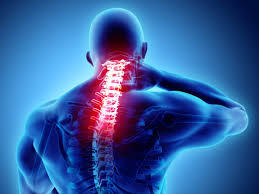 .
.