
Bone Fractures After an Accident: What You Need to Know
Accidents happen every day, and many of them result in broken bones. While some fractures heal with time and proper care, others can cause long-term pain, permanent impairment, or life-altering complications. In serious cases, a bone fracture may require surgery, months of physical therapy, prescription medication, or even lead to loss of function or amputation.
If you or a loved one has suffered a bone fracture due to someone else’s negligence, it’s important to understand both the medical and legal implications of your injury. Speaking with an experienced car accident lawyer can help you protect your rights and pursue the compensation you deserve.
Schedule a free consultation today.
Who Is Most at Risk for Bone Fractures?
Many people experience minor fractures during childhood—such as a broken arm or ankle—that heal without lasting issues. However, not all fractures are minor. Broken bones sustained in car accidents, falls, or other serious incidents can have devastating consequences depending on the force involved, the bone affected, and whether complications arise.
Bone fractures may be just one part of a broader injury profile after a car accident, or they may be the most serious injury suffered in a fall or workplace incident. When a fracture is not properly treated, serious complications such as infections—including osteomyelitis—can develop. In extreme cases, these complications may lead to permanent disability or amputation.
If your broken bone was caused by another party’s negligence, it is critical to account for both your current losses and the long-term impact of your injury before accepting any settlement.
Common Types of Bone Fractures
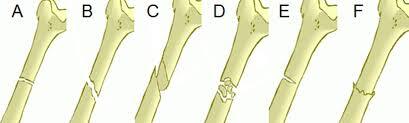
The severity of a fracture often depends on the amount of force involved, the strength of the bone, and the direction of impact. Some of the most common types of fractures include:
-
Greenstick fractures, where the bone bends and partially breaks
-
Stable fractures, where the bone breaks but remains properly aligned
-
Open (compound) fractures, where the bone pierces the skin
-
Transverse fractures, which break horizontally across the bone
-
Buckle fractures, where the ends of the bone compress into each other
-
Oblique fractures, which occur at an angle
-
Comminuted fractures, where the bone breaks into multiple pieces
Open and comminuted fractures are among the most serious and are frequently seen in high-impact car accidents. These injuries often require surgical treatment rather than simple casting and carry a higher risk of infection and long-term complications.
Complications Associated With Leg Bone Fractures
According to medical experts, leg fractures are often among the most difficult broken bones to heal. Potential complications include:
-
Chronic knee or ankle pain
-
Delayed or incomplete healing due to poor blood flow
-
Infection
-
Nerve or blood vessel damage
-
Compartment syndrome, which causes severe pain and swelling
-
Arthritis or osteoarthritis
-
Unequal leg length, leading to chronic back problems
Some complications may not appear until months or even years after the initial injury. For example, a child who fractures a leg may not show signs of unequal leg length until they grow, potentially leading to lifelong spinal issues. Similarly, fractures involving joints or improper healing can result in arthritis later in life.
Because of these risks, bone fractures should always be taken seriously when evaluating the full value of a personal injury claim.
Bone Fractures and Florida’s No-Fault Insurance Threshold
Florida operates under a no-fault insurance system, requiring drivers to carry Personal Injury Protection (PIP) coverage. This system provides limited benefits regardless of who caused the accident. However, Florida law also establishes a medical “threshold” that must be met to pursue compensation beyond PIP benefits.
To step outside the no-fault system and file a claim against a negligent party, your injury must qualify as one of the following:
-
A significant and permanent loss of an important bodily function
-
A permanent injury within a reasonable degree of medical probability
-
Significant and permanent scarring or disfigurement
-
Death
Due to their severity, bone fractures often meet or exceed this threshold, especially when they result in lasting impairment or require surgical intervention. While this threshold applies specifically to car accidents, broken bones are also common in slip and falls, workplace accidents, and other negligence cases.
Speak With an Experienced Personal Injury Attorney
Broken bones can have lasting physical, emotional, and financial consequences—especially for children and older adults. An improperly healed fracture in a child can lead to lifelong complications, while a hip fracture in an elderly person may permanently impact mobility and independence.
If you suffered a bone fracture in a car accident, fall, or other incident caused by someone else’s negligence, a knowledgeable personal injury attorney can help you understand your options. Compensation may be available for medical expenses, lost wages, pain and suffering, and future care needs.
The Applebaum Accident Group offers free, no-obligation consultations to discuss your case and answer your questions. Our team is committed to helping injured individuals pursue the full compensation they are entitled to under Florida law.
Contact the Applebaum Accident Group today to schedule your case review(855-Call-Paul) .
.