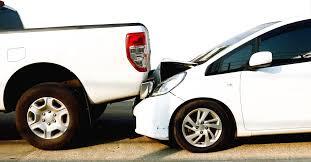

Rubbernecking Accidents: The Hidden Danger of Distracted Driving
When most people think of distracted driving, they picture texting behind the wheel, eating during a commute, or adjusting a GPS. But one of the most overlooked — and dangerous — forms of distracted driving is rubbernecking.
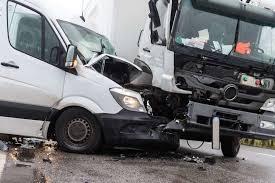
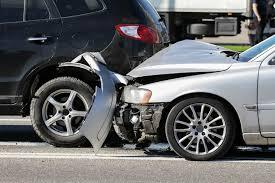
It only takes a split second for a quick glance at roadside commotion to turn into a serious crash. Accidents caused by rubbernecking often result in major vehicle damage, severe injuries, and in some tragic cases, fatalities.
If another driver’s distraction caused your crash, you may have the right to pursue compensation.
What Is Rubbernecking?
Rubbernecking occurs when a driver takes their eyes — and often their attention — off the road to observe something happening outside their vehicle. It commonly involves:
-
Visual distraction (looking away from the road)
-
Cognitive distraction (focusing mentally on something other than driving)
Picture driving home after work and passing a major accident scene. Emergency responders are assisting injured drivers, vehicles are smoking, and police are directing traffic. If you slowed down or focused on the scene long enough to absorb those details, you were rubbernecking.
Many drivers justify this behavior by saying, “It was just a quick look.” But research shows it doesn’t take long to create danger. According to the AAA Foundation for Traffic Safety, taking your eyes off the road for just two seconds significantly increases your crash risk.
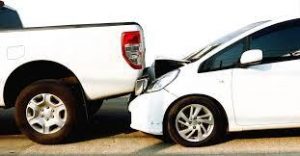
How Rubbernecking Leads to Rear-End Collisions
Rubbernecking often causes drivers to:
-
Suddenly slow down
-
Follow too closely
-
Drift out of their lane
-
Fail to notice stopped traffic
Rear-end collisions are especially common in these situations. The National Highway Traffic Safety Administration (NHTSA) has consistently found distracted driving to be a leading factor in rear-end crashes.
For example, imagine you’re moving through a school drop-off line and slow down unexpectedly to watch something happening nearby. The driver behind you may not anticipate that change — and suddenly you’re involved in a collision.
What seemed like harmless curiosity can quickly lead to injuries, insurance disputes, and costly repairs.
Why Do Drivers Rubberneck?
The simple answer is curiosity.
When drivers encounter an accident, construction zone, roadside arrest, or emergency response, they instinctively want to look. Unfortunately, that moment of curiosity can cost them — and others — dearly.
Ironically, drivers often risk causing another crash while staring at the aftermath of an existing one.
Many states also have “Move Over” laws requiring drivers to change lanes or slow down when approaching emergency vehicles. Failing to focus on driving — because you’re watching the scene instead — can put first responders, roadside workers, and other motorists in danger.
The Domino Effect of Rubbernecking Crashes
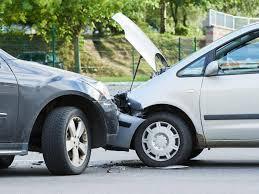
Rubbernecking accidents rarely involve just one vehicle.
When traffic slows unexpectedly on busy highways, chain-reaction crashes can occur in seconds. Multiple drivers, all distracted at once, may fail to react in time. These multi-vehicle collisions often result in:
-
Extensive property damage
-
Serious neck and back injuries
-
Traumatic brain injuries
-
Spinal cord damage
-
Long-term medical treatment
Rubbernecking becomes even more dangerous when combined with speeding, aggressive driving, or impaired driving. The risks multiply quickly.
Preventing Rubbernecking Accidents
While infrastructure solutions like visual barriers have been tested in some areas, preventing rubbernecking ultimately comes down to personal responsibility.
Safe driving habits include:
-
Keeping your eyes forward and scanning the road
-
Maintaining a safe following distance
-
Anticipating sudden traffic slowdowns
-
Avoiding unnecessary lane changes
-
Modeling responsible driving behavior for younger drivers
Teen drivers are particularly vulnerable to distracted driving crashes, and they often mirror the habits they observe at home.
When you get behind the wheel, you enter an unspoken agreement with every other driver to operate your vehicle safely and responsibly. Breaking that agreement puts everyone at risk.
What to Do After a Rubbernecking Accident
Rubbernecking crashes can quickly become complicated — especially when multiple vehicles are involved. Determining fault may require:
-
Reviewing police reports
-
Analyzing traffic camera footage
-
Interviewing witnesses
-
Consulting accident reconstruction experts
If another driver’s distraction caused your injuries, you should not have to bear the financial burden alone.
Medical bills, lost income, rehabilitation, and vehicle repairs can quickly overwhelm you. Insurance companies may attempt to minimize or deny your claim.
That’s where experienced legal representation makes a difference.
Speak with a Car Accident Attorney About Your Case
At Applebaum Accident Group, we understand how devastating distracted driving accidents can be. Our team fights to hold negligent drivers accountable and pursue the full compensation our clients deserve.
If you were injured in a crash caused by a distracted or rubbernecking driver, contact us(855-Call-Paul) today for a consultation. We will review your case, explain your options, and guide you through every step of the legal process.
You don’t have to handle this alone. Let us fight for you while you focus on recovery.