
Don’t get too comfortable behind the wheel.
Most drivers don’t think about how they drive anymore. After years of repetition, braking, turning, merging, and even reacting to hazards becomes automatic. This is often referred to as “muscle memory” — your body’s ability to perform tasks with little conscious thought because you’ve done them so many times before.
In many areas of life, muscle memory is helpful. But when it comes to driving, it can quietly become dangerous.
When Driving Becomes Automatic
Think back to when you first learned how to drive. You were alert. Focused. Maybe even nervous. Every turn required concentration. Every lane change demanded attention.
Over time, that tension fades. You know how your car responds. You know the feel of the brake pedal. You’ve driven the same route to work hundreds of times. The road feels predictable.
And that’s where problems begin.
When driving becomes a subconscious activity, it leaves mental “room” for distractions. Texting. Adjusting the radio. Checking social media. Eating. Applying makeup. Even daydreaming.
You may tell yourself:
-
“I’ve driven this road a thousand times.”
-
“I’ll just glance at my phone for a second.”
-
“Nothing ever happens here.”
But accidents often happen in the places we know best.
The Hidden Risk of Distracted Driving in Florida
Across Florida — from Clearwater to Tampa Bay — distracted driving remains a serious cause of crashes. A driver who relies too heavily on routine may fail to notice:
-
Sudden traffic slowdowns
-
A pedestrian stepping into a crosswalk
-
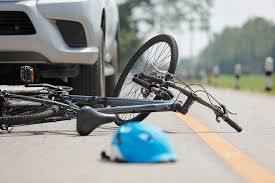
A cyclist merging into traffic
-
Debris or potholes in the road
-
An unexpected lane closure
Muscle memory cannot anticipate the unexpected. And when your eyes are off the road for even five seconds at highway speeds, you may travel the length of a football field without seeing what’s ahead.
That moment is often all it takes for a serious collision.
Comfort Can Lead to Complacency
When you buy a new car, you treat it carefully. You’re cautious. Protective. You don’t want a scratch.
As time passes, that heightened awareness fades. The same psychological shift happens with driving skills. Familiarity breeds comfort — and comfort can breed complacency.
The safest drivers are not necessarily the most experienced. They are the most attentive.
Driving should never be treated as a background task. It demands your full attention every time you get behind the wheel.
Injured by a Distracted Driver? You Have Options.
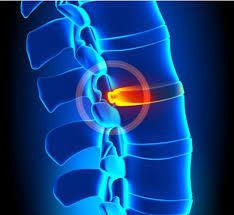
When another driver chooses to text, eat, scroll, or otherwise divide their attention, the consequences can be life-changing. Victims of distracted driving crashes often suffer:
-
Neck and back injuries
-
Traumatic brain injuries
-
Broken bones
-
Emotional trauma
-
Lost wages and mounting medical bills
Florida law requires drivers to carry Personal Injury Protection (PIP) insurance. However, filing a claim can quickly become complicated — especially if benefits are delayed or denied.
If you or a loved one was injured because someone else was not paying attention, you may be entitled to pursue compensation beyond your PIP coverage.
Speak With an Experienced Florida Car Accident Attorney
At Applebaum Accident Group, we understand how quickly a “routine” drive can turn into a devastating accident. We help injured victims throughout Clearwater and the Tampa Bay area fight for the compensation they deserve.
Insurance companies often try to minimize distracted driving claims. We don’t let them.
If you need help filing a PIP claim, appealing a denial, or pursuing a negligence case against a distracted driver, contact our team today for a free consultation(855-Call-Paul)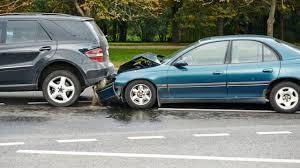 .
.
Your case deserves attention — even if the other driver wasn’t paying any