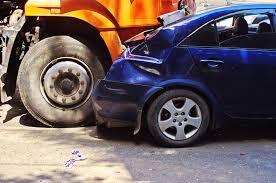

Rear-End Collisions Are Extremely Common
Rear-end crashes account for a significant portion of all traffic accidents in the United States. These accidents frequently occur in stop-and-go traffic, at intersections, or when drivers are distracted. In fact, distracted driving—such as texting, eating, or simply losing focus—is one of the leading causes of rear-end collisions.
Younger drivers and inattentive motorists are more likely to cause these crashes, but the reality is that rear-end accidents can happen to anyone, often when least expected.
How Neck and Back Injuries Happen
Even in a seemingly minor collision, the force of impact can cause the body to move violently. When a vehicle is struck from behind, the neck and spine are forced into a rapid back-and-forth motion. This sudden movement can strain muscles, damage soft tissue, and disrupt the natural alignment of the spine.
The spine is made up of vertebrae connected by facet joints, which allow flexibility and movement. During a crash, these joints can become compressed or misaligned, leading to pain, inflammation, and reduced mobility. The lower back may also flatten unnaturally under pressure, contributing to further injury.
Common Injuries in Rear-End Crashes
Rear-end collisions can lead to a wide range of injuries, including:
- Whiplash: One of the most frequent injuries, involving soft tissue damage to the neck and upper back
- Herniated discs: When spinal discs shift out of place, causing pain, numbness, or nerve compression
- Spinal fractures: More severe crashes can cause cracks or displacement in the vertebrae
- Spinal cord injuries: In extreme cases, damage to the spinal cord can result in partial or permanent paralysis
Each injury varies in severity, but all can significantly impact your daily life and ability to work.
Delayed Symptoms Are Common
One of the most overlooked aspects of neck and back injuries is that symptoms don’t always appear right away. You may feel fine immediately after the crash, only to experience pain or stiffness days later.
Common delayed symptoms include:
- Persistent headaches
- Neck or shoulder stiffness
- Back pain
- Tingling or numbness
Because of this, seeking medical attention as soon as possible after an accident is critical. Not only does this protect your health, but it also creates important documentation that can support your injury claim.
Treatment and Recovery
Recovery from a neck or back injury depends on the severity of the damage. Treatment options may include:
- Wearing a neck or back brace to stabilize the injury
- Using heat or ice therapy to manage pain and inflammation
- Taking prescribed or over-the-counter medications
- Participating in physical therapy to restore strength and mobility
- Exploring chiropractic care, when appropriate
Serious injuries may require long-term care, and in some cases, ongoing medical support.
Preventing Rear-End Collisions
While not all accidents are avoidable, safe driving habits can significantly reduce your risk:
- Maintain a safe following distance
- Stay focused and avoid distractions
- Use proper signals and ensure your brake lights work
- Check mirrors regularly
- Adjust driving for weather and road conditions
Defensive driving can make a meaningful difference in preventing these common accidents.
Understanding Liability in Florida
Florida follows a no-fault insurance system, which means drivers typically turn to their own Personal Injury Protection (PIP) coverage after an accident—regardless of who caused the crash. However, PIP only covers a portion of your medical bills and lost wages.
If your injuries are serious, you may be able to step outside the no-fault system and pursue a claim against the at-fault driver. While rear drivers are often presumed responsible, liability can be disputed, and insurance companies may attempt to shift blame.
Even if you are partially at fault, you may still be eligible to recover compensation under Florida law, though your recovery may be reduced based on your percentage of fault.
Speak With a Car Accident Attorney
Insurance companies often move quickly to settle claims—sometimes before you fully understand the extent of your injuries. Accepting an early settlement could leave you without the financial support you need for long-term recovery.
Working with a knowledgeable personal injury attorney can help level the playing field. Your lawyer can investigate the accident, gather evidence, negotiate with insurers, and, if necessary, take your case to court.
Get the Legal Support You Deserve
A rear-end collision can leave you dealing with physical pain, emotional stress, and financial uncertainty. You shouldn’t have to handle it alone.
At Applebaum Accident Group, we are committed to helping injury victims recover the compensation they deserve. Our team understands the complexities of car accident claims and will fight to protect your rights every step of the way.
Contact us ( 855-Call-Paul)today for a free consultation to discuss your case and learn how we can help you move forward after a rear-end crash.