
Spinal Disc Herniation After a Florida Accident: Understanding Disc Protrusions and Disc Extrusions
A serious accident can leave you with more than just temporary pain. Many car crashes, truck accidents, motorcycle collisions, and slip-and-fall incidents cause spinal injuries that can affect your health, mobility, and quality of life for years to come. Among the most common back injuries seen after traumatic accidents are disc protrusions and disc extrusions, both forms of spinal disc herniation.
If you suffered a spinal injury because of someone else’s negligence, understanding your diagnosis is important—not only for your medical recovery but also for protecting your legal rights. At Applebaum Accident Group, we help injury victims throughout Florida pursue compensation for the medical expenses, lost income, and pain associated with serious spinal injuries.
What Is a Spinal Disc Herniation?
Your spine contains a series of vertebrae separated by soft, cushion-like discs. These discs act as shock absorbers, helping your spine remain flexible while protecting surrounding nerves.
A disc herniation occurs when the outer layer of a spinal disc becomes damaged and the inner gel-like material pushes outward. This can happen as a result of:
- Motor vehicle accidents
- Motorcycle crashes
- Truck accidents
- Workplace injuries
- Slip-and-fall accidents
- Other traumatic events
When the disc material presses against nearby nerves or the spinal cord, it can cause significant pain and neurological symptoms.
Symptoms of a Herniated Disc
Every injury victim experiences symptoms differently. While some people suffer severe pain immediately after an accident, others may not notice symptoms until days or weeks later.
Common symptoms of a spinal disc injury include:
- Neck pain
- Lower back pain
- Radiating pain into the arms or legs
- Sciatica
- Numbness or tingling sensations
- Muscle weakness
- Reduced range of motion
- Difficulty standing, walking, or sitting for extended periods
In severe cases, spinal nerve compression may cause loss of bladder or bowel control, which requires immediate medical attention.
Disc Protrusion vs. Disc Extrusion
Although the terms are sometimes used interchangeably, disc protrusions and disc extrusions are not exactly the same.
What Is a Disc Protrusion?
A disc protrusion, often referred to as a bulging disc, occurs when the disc begins pushing outward but remains largely contained within its outer layer.
The protruding disc can place pressure on nearby nerves, causing symptoms such as:
- Chronic back pain
- Sciatica
- Numbness
- Tingling sensations
- Weakness in the legs or arms
Many accident victims with disc protrusions experience pain that radiates far beyond the site of the injury because spinal nerves carry signals throughout the body.
What Is a Disc Extrusion?
A disc extrusion is generally considered a more severe form of herniation.
With an extrusion, the inner disc material breaks through the outer disc wall and extends into the spinal canal. This escaped material can create substantial pressure on surrounding nerves, leading to:
- Severe pain
- Significant inflammation
- Nerve compression
- Reduced mobility
- Neurological deficits
While some disc extrusions may improve with conservative treatment, others require surgical intervention to prevent long-term nerve damage.
What Is Disc Sequestration?
Disc sequestration is an advanced form of disc extrusion.
This condition occurs when a fragment of disc material completely separates from the parent disc and moves freely within the spinal canal. Because the detached fragment can irritate or compress nerves, disc sequestration often causes intense pain and may require surgery.
How Are Disc Injuries Diagnosed?
Proper diagnosis is critical after any accident-related back injury.
Doctors commonly use diagnostic tools such as:
- Magnetic Resonance Imaging (MRI)
- CT scans
- X-rays
- Electromyography (EMG)
These tests help physicians identify the location and severity of the herniation while determining whether nerves have been affected.
Seeking prompt medical care after an accident is essential. Early diagnosis not only improves treatment outcomes but also creates important medical documentation that can support a personal injury claim.
Treatment Options for Disc Herniations
Treatment depends on the severity of the injury and the symptoms being experienced.
Conservative Treatments
Many accident victims improve through non-surgical treatment methods, including:
- Physical therapy
- Anti-inflammatory medications
- Pain management
- Ice and heat therapy
- Chiropractic care
- Massage therapy
- Acupuncture
- Epidural steroid injections
These treatments are often used together to reduce pain, improve mobility, and support healing.
When Is Surgery Necessary?
Surgery may become necessary when:
- Conservative treatment fails
- Symptoms continue to worsen
- Nerve damage progresses
- Significant weakness develops
- Loss of bladder or bowel control occurs
Common surgical procedures include:
Microdiscectomy
This minimally invasive procedure removes the portion of the disc pressing against a nerve.
Laminotomy or Laminectomy
These procedures create additional space around compressed nerves by removing a portion of the vertebral bone.
Spinal Fusion
Spinal fusion permanently joins two or more vertebrae to stabilize the spine and relieve pressure on affected nerves.
Artificial Disc Replacement
In select cases, surgeons may replace a damaged spinal disc with an artificial implant designed to preserve spinal movement.
How Disc Injuries Affect Personal Injury Claims
Spinal disc injuries can have lasting consequences. Many victims face:
- Extensive medical bills
- Ongoing rehabilitation
- Lost wages
- Reduced earning capacity
- Chronic pain
- Emotional distress
Insurance companies often attempt to minimize these injuries by arguing they were pre-existing or caused by natural degeneration rather than the accident itself.
An experienced personal injury attorney can work with medical experts to demonstrate how the accident caused or aggravated your spinal condition and pursue the full compensation you deserve.
How Applebaum Accident Group Can Help
At Applebaum Accident Group, we understand the devastating impact a serious back injury can have on your life. Our legal team works aggressively to investigate accidents, gather medical evidence, negotiate with insurance companies, and pursue maximum compensation for injured clients.
If you suffered a disc protrusion, disc extrusion, or another spinal injury after a Florida accident, you should not have to bear the financial burden alone.
Contact Applebaum Accident Group Today
If you or a loved one has suffered a spinal disc injury because of someone else’s negligence, contact Applebaum Accident Group(855-Call-Paul)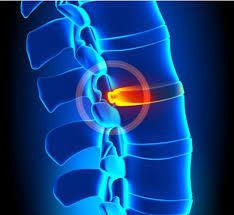 for a free consultation. We can evaluate your case, explain your legal options, and fight for the compensation you need to move forward.