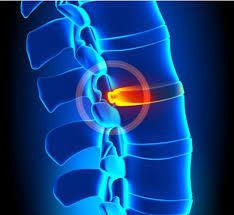


Back and Spine Injuries After a Car Accident: Understanding Injection Therapy Options
Back and spine injuries are among the most common—and most disruptive—injuries people suffer after a motor vehicle accident. Many accident victims come to our office dealing with ongoing pain that affects their ability to work, sleep, and enjoy everyday life. For some, the pain improves with time. For others, it worsens, becoming a constant and debilitating problem.
Car accidents happen without warning, but what often surprises victims most is how severely back pain can impact their quality of life. Persistent neck or back pain can limit movement, interfere with recovery, and make even routine activities difficult. When conservative treatments fail to provide relief, physicians may recommend injection therapy as part of a comprehensive treatment plan. While injections are not appropriate for every patient, many people experience meaningful pain relief that helps them move forward with recovery.
When Imaging Doesn’t Tell the Full Story
Traditional diagnostic tools, such as MRIs, do not always pinpoint the exact source of spinal pain. As a result, physicians increasingly rely on targeted injection techniques that serve a dual purpose: identifying the precise cause of pain and providing relief at the same time. These injections introduce medication directly into specific areas of the spine. If the pain improves afterward, doctors can more confidently identify the injured structure responsible.
Two commonly used procedures are Selective Nerve Root Blocks and Facet Joint Blocks, each designed for different sources of spinal pain.
Selective Nerve Root Blocks (SNRBs)
Selective Nerve Root Blocks are commonly used to diagnose and treat pain originating from compressed or irritated spinal nerves, particularly in the neck and lower back. During this procedure, a physician carefully guides a needle to the nerve root through a small opening between vertebrae called the foramen. Live X-ray imaging (fluoroscopy) is used to ensure accuracy.
Typically, one or both of the following medications are injected:
-
A steroid, such as cortisone, to reduce inflammation
-
A numbing agent, such as lidocaine, to temporarily relieve pain
If the patient experiences immediate pain relief, it strongly suggests that the targeted nerve root is the source of the pain. The numbing effect works quickly, similar to dental anesthesia, while the anti-inflammatory medication begins reducing swelling over the next several days.
In addition to helping doctors identify the cause of pain, SNRBs can also provide therapeutic relief for conditions such as herniated discs, radiating nerve pain, neck pain, and lower back pain. Temporary pain relief may allow patients to better tolerate physical therapy and participate more fully in rehabilitation.
Because these injections are performed close to spinal nerves, they require a skilled and experienced physician. Some patients may experience temporary discomfort following the procedure. Pain relief can last from several weeks to several months, and injections are typically limited to a few times per year.
Facet Joint Blocks
Facet joints are small joints located along the spine that allow for bending and twisting. These joints can become painful due to arthritis, repetitive stress, or trauma from a car accident. When facet joints are the source of pain, a Facet Joint Block may be recommended.
This procedure is similar to a nerve root block. Using fluoroscopy, the physician injects a numbing medication and/or a steroid directly into the facet joint capsule. If pain improves following the injection, it confirms that the joint is contributing to the symptoms. Facet joint blocks are considered low-risk and can be effective for both diagnosis and pain relief.
Why Proper Medical Care Matters After a Car Accident
Neck and back injuries are not always immediately obvious after a crash, but untreated spinal injuries can worsen over time. Getting prompt medical attention not only protects your health—it also creates vital documentation that may be critical if you pursue a personal injury claim.
At Applebaum Accident Group, we work closely with accident victims who are dealing with painful spinal injuries. We understand how complex these cases can be and how important proper medical treatment is to both recovery and the legal process.
If you were injured in a car accident and are experiencing ongoing neck or back pain, seek medical care as soon as possible. Once your health is addressed, speaking with an experienced personal injury attorney can help protect your rights and pursue compensation for medical bills, lost income, and pain and suffering.
Contact (855-Call-Paul) Applebaum Accident Group today to discuss your case and learn how we can help you move forward after a serious accident.