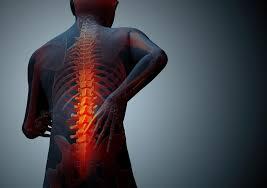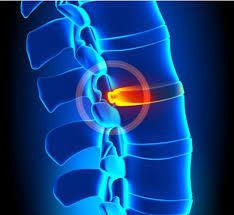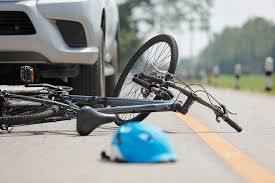

Common Types of Upper and Middle Back Injuries After a Car Accident
The force of a collision—especially in rear-end crashes—can cause the head and upper body to jerk violently, placing intense stress on the spine. Sudden braking or swerving can also contribute to these injuries. As a result, several structures surrounding the spine may be affected, including muscles, ligaments, discs, and nerves.
Some of the most common injuries include:
Strains and Sprains
Soft tissue injuries like strains and sprains occur when muscles or ligaments are stretched beyond their limits or torn during impact. These injuries often lead to pain, stiffness, and muscle spasms that can interfere with everyday movement.
Spinal Fractures
The force of a crash can cause compression fractures in the middle or lower spine. This often happens when the lower body is restrained by a seatbelt while the upper body is thrown forward. These injuries can be extremely painful and may require extensive treatment.
Whiplash-Related Injuries
Whiplash is frequently associated with rear-end collisions, even at low speeds. The rapid back-and-forth motion of the head can strain or tear muscles and tendons in the neck and upper back. While mild cases may improve with rest and conservative care, more severe cases can lead to chronic pain and require ongoing treatment.
Spinal Cord Injuries
Motor vehicle accidents are a leading cause of spinal cord injuries. Depending on the severity, victims may experience partial or complete loss of movement and sensation below the injury site. These injuries often come with lifelong consequences, including chronic pain, infections, and mobility challenges.
Warning Signs You Shouldn’t Ignore
After an accident, it’s normal to feel sore. However, certain symptoms may signal a more serious underlying injury. Watch for:
- Difficulty moving or reduced range of motion
- Pain that worsens when bending, lifting, or twisting
- Numbness, tingling, or weakness in the back, legs, or feet
Ignoring these symptoms can lead to long-term damage. Even injuries that seem minor at first can develop into chronic conditions if left untreated.
What to Do If You’re Experiencing Back Pain After a Crash
It’s important to monitor your condition in the days and weeks following a collision. The body’s adrenaline response can mask pain immediately after an accident, causing injuries to go unnoticed.
If symptoms appear later, don’t wait—seek medical evaluation. Treatment may include physical therapy, medication, injections, or other non-invasive options. Many back injuries improve with proper care, but more severe cases may require surgical intervention.
Protect Your Health—and Your Rights
Once you’ve addressed your medical needs, it may be in your best interest to consult with an experienced personal injury attorney. Back injury claims can be complex, and insurance companies often attempt to minimize payouts or deny valid claims.
At Applebaum Accident Group, our legal team understands the serious impact that back and neck injuries can have on your life. We fight to help injured victims recover full and fair compensation for medical expenses, lost wages, and pain and suffering.
Don’t Shoulder the Financial Burden Alone
If your injury was caused by someone else’s negligence, you shouldn’t have to pay the price. Contact Applebaum (855-Call-paul)Accident Group today for a free consultation. We’ll explain your legal options, answer your questions, and help you take the next step toward recovery.
Your health comes first—but protecting your future matters too.