
Legal Action Against the Government for Dangerous Road Conditions in Florida
Every year, thousands of people across Florida suffer injuries in car accidents caused by hazardous road conditions. While many crashes happen because of driver negligence, some occur because roads are unsafe, poorly maintained, or improperly designed. Government agencies responsible for maintaining Florida’s roads have a legal duty to keep them reasonably safe for motorists. When they fail to do so, serious accidents can happen.
If you were injured in a crash caused by a dangerous roadway, you may have the right to pursue compensation from the government entity responsible for the road’s maintenance. However, claims against government agencies involve unique rules, strict deadlines, and complex legal procedures. Working with an experienced Florida car accident attorney can help protect your rights and improve your chances of recovering compensation.
Common Road Hazards That Cause Car Accidents
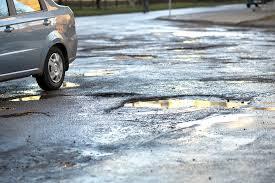
Dangerous road conditions can contribute to devastating crashes throughout Florida. While potholes are one of the most common complaints, many other roadway defects may create serious risks for drivers.
Examples of hazardous road conditions include:
- Flooded roads caused by clogged or poorly designed drainage systems
- Uneven pavement or dangerous road construction cuts
- Potholes, sinkholes, and missing manhole covers
- Oil spills or other roadway debris
- Broken or missing guardrails
- Roads lacking clear lane markings or shoulder markings
- Dangerous curves with poor visibility
- Missing, damaged, or confusing traffic signs
- Malfunctioning traffic signals
- Poor roadway lighting or burned-out streetlights
- Overgrown trees or vegetation blocking signs or traffic signals
- Fallen trees or roadway obstructions
- Construction zones without adequate warnings
Not every road hazard automatically makes the government liable for an accident. In many cases, the issue becomes whether the responsible agency knew—or should have known—about the dangerous condition and failed to fix it within a reasonable amount of time.
An experienced personal injury lawyer can investigate the circumstances surrounding your crash and determine whether negligence played a role.
Can You Sue the Government in Florida?
Many people assume the government cannot be sued. Generally, government agencies are protected by a legal principle called sovereign immunity, which limits lawsuits against state and local governments.
However, Florida law allows certain claims against government entities, including claims involving dangerous road conditions and negligent roadway maintenance.
Government entities that may be held liable include:
- State agencies
- Counties
- Municipalities
- State universities
- Government departments
- Agencies acting on behalf of the state or local government
To pursue a successful claim against a government agency, you generally must show:
- The government acted negligently
- The dangerous road condition caused your accident
- The agency knew or reasonably should have known about the hazard
- Your injuries resulted in measurable damages
These cases are highly fact-specific, and government agencies often aggressively defend themselves against liability claims.
Important Limitations in Government Injury Claims
Although Florida law allows accident victims to file claims against government entities, there are important limitations that apply.
Damage Caps
Florida law generally limits compensation in claims against government agencies to:
- $200,000 per individual claim
- $300,000 total per incident involving multiple victims
In limited circumstances, additional compensation may be available if the government entity carries insurance beyond those limits.
Punitive Damages Are Rare
Punitive damages are generally unavailable in claims against government agencies unless extraordinary circumstances involving gross misconduct exist.
Individual Employees Are Usually Protected
In most cases, government employees cannot be held personally liable unless their conduct involved intentional wrongdoing or extreme misconduct.
Florida’s No-Fault Insurance Laws and Road Hazard Accidents
Florida follows a no-fault insurance system. Drivers are required to carry Personal Injury Protection (PIP) coverage, which pays for certain medical expenses and lost wages regardless of who caused the accident.
After a crash caused by a dangerous roadway condition, injured drivers typically begin by filing a claim under their own PIP coverage.
PIP insurance generally covers:
- 80% of medical expenses
- 60% of lost wages
- Up to your policy limits
Unfortunately, serious accidents often result in damages that exceed available PIP benefits. When severe injuries occur, victims may be entitled to pursue additional compensation through a personal injury claim against the responsible government agency.
Special Procedures for Filing a Claim Against the Government
Claims against government entities involve strict procedural requirements that differ significantly from ordinary car accident lawsuits.
In Florida, accident victims generally must:
- Provide written notice to the government agency responsible for the roadway
- Notify the Florida Department of Financial Services
- File the claim within the applicable statutory deadline
- Allow the government a six-month investigation period before filing a lawsuit
Failing to follow these procedures correctly may result in your claim being denied entirely.
In most cases, injured victims have:
- Three years to provide notice of the claim
- Four years to file a personal injury lawsuit
- Two years to file a wrongful death claim
Because these deadlines and procedures are strictly enforced, it is important to contact an attorney as soon as possible after an accident.
Comparative Negligence in Florida Car Accident Cases
Florida follows a comparative negligence system, meaning compensation may be reduced if the injured person shares fault for the accident.
For example, if the defense argues you were speeding or distracted at the time of the crash, the court may assign a percentage of fault to you. Your compensation would then be reduced by that percentage.
Insurance companies and government attorneys often attempt to shift blame onto accident victims to reduce liability.
Common Defenses Used by Government Agencies
Government agencies frequently fight roadway defect claims aggressively. Some common defenses include:
- Claiming they were unaware of the dangerous condition
- Arguing insufficient time existed to repair the hazard
- Alleging the driver caused the accident through reckless driving
- Disputing the severity of injuries
- Claiming warning signs were posted
- Arguing injuries were pre-existing
A skilled attorney can gather evidence, work with accident reconstruction experts, and challenge these defenses to build the strongest possible case.
Why You Need an Experienced Florida Car Accident Attorney
Cases involving dangerous road conditions are often far more complicated than standard car accident claims. Multiple government agencies may be involved, and strict procedural rules create additional challenges for injured victims.
An experienced attorney can:
- Investigate the accident thoroughly
- Identify the responsible government entity
- Preserve critical evidence
- Handle all required notices and filings
- Negotiate aggressively for compensation
- Represent you in court if necessary
Serious injuries can create overwhelming physical, emotional, and financial burdens. While you focus on recovery, your attorney can handle the legal process and fight for the compensation you deserve.
Contact a Florida Car Accident Lawyer Today
If you were injured in an accident caused by dangerous or poorly maintained roads, you may have legal options available. Government claims are complex, and delays can jeopardize your ability to recover compensation.
The experienced legal team at Applebaum Accident Group fights for accident victims throughout Florida and understands the challenges involved in roadway defect cases.
Contact Applebaum Accident Group today for a free consultation(855-Call-Paul ) to discuss your case and learn how we may help you pursue compensation for your injuries.