
Who Is at Fault After a Boston Car Accident?
One of the first questions people ask after being injured in a Boston car accident is simple but critical: Who was at fault?
No one expects to be involved in a crash, yet even a seemingly minor collision can disrupt your life in serious ways. Beyond vehicle damage, accident victims are often left dealing with medical bills, missed work, and ongoing pain. Determining who caused the accident is an essential step toward recovering compensation for your injuries and losses.
Fault in a car accident is not always straightforward. Every crash is different, and liability depends on how and why the collision occurred. What remains consistent, however, is that car accident injuries are costly, and in severe cases, they can permanently change a person’s quality of life.
Massachusetts No-Fault Insurance and When You Can File a Claim
Massachusetts follows a no-fault insurance system. This means that after most car accidents, injured drivers and passengers must first seek compensation through their own Personal Injury Protection (PIP) coverage, regardless of who caused the crash.
However, you may step outside the no-fault system and pursue a claim against the at-fault driver if:
-
Your medical expenses exceed $2,000, or
-
The accident resulted in:
-
The death of a loved one
-
Loss of hearing, vision, or a limb
-
Permanent or significant disfigurement
-
A fractured bone
-
If your injuries were caused by another driver’s careless or reckless behavior, a Boston car accident attorney can determine whether you qualify to pursue additional compensation beyond PIP benefits.
Common Boston Car Accident Scenarios
Traffic patterns in Boston have changed in recent years, but serious crashes continue to occur on highways, city streets, and neighborhood roads. Certain accident types are especially common—and often lead to severe injuries.
Broadside (T-Bone) Collisions
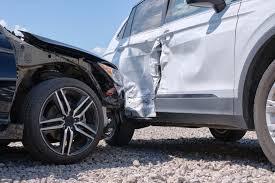
Broadside collisions, often called T-bone or side-impact crashes, typically occur at intersections when one vehicle strikes the side of another. These crashes are particularly dangerous because vehicle doors offer less protection than the front or rear of a car. Inj
Injuries are often most severe for occupants seated on the side of impact, especially when a smaller vehicle is struck by a larger one.
Who is at fault?
Most broadside collisions occur when a driver fails to yield the right-of-way. The driver who did not yield is usually held responsible for the crash.
Left-Turn Accidents
Left-turn accidents are another frequent cause of serious intersection crashes. These collisions often happen when a driver misjudges oncoming traffic and turns directly into another vehicle’s path. They can also occur when a driver runs a red light while another vehicle is turning left on a green arrow.
Who is at fault?
Fault often depends on traffic signals. Drivers making left turns must yield unless they have a green arrow. Without a green arrow, the left-turning driver is typically liable for the accident.
Right-Turn Accidents
Right-turn accidents commonly happen when a driver turns right on a red light without yielding to oncoming traffic. In Boston, drivers must come to a complete stop and ensure it is safe before turning right—unless signage specifically prohibits the turn.
Who is at fault?
In most cases, the turning driver is responsible. However, excessive speeding by the other vehicle can shift or share liability if it prevented the turning driver from accurately judging traffic.
Rear-End Collisions
Rear-end crashes are among the most common accidents and often result from tailgating, distracted driving, or aggressive driving. Boston’s heavy congestion can increase frustration and risky driving behavior, raising the likelihood of these collisions.
Who is at fault?
The driver who rear-ends another vehicle is usually responsible—but not always. The lead driver may be liable if they:
-
Were reversing
-
Were driving while impaired
-
Intentionally slammed on the brakes (brake-checking)
-
Had broken or non-functioning tail lights
Head-On Collisions
Although less common, head-on collisions are often catastrophic. These accidents typically occur when a driver enters the wrong lane, crosses the centerline, or drives the wrong way on a one-way street.
Common causes include:
-
Speeding or impaired driving
-
Distracted or fatigued driving
-
Unsafe passing on two-lane roads
-
Sliding into oncoming traffic on wet or icy roads
Who is at fault?
Liability usually rests with the driver who crossed into the wrong lane. In some cases, however, fault may trace back to a prior collision that forced a vehicle into oncoming traffic.
Accidents on Snowy or Icy Roads
Boston winters bring snow, ice, and hazardous driving conditions. While weather plays a role, it does not excuse unsafe driving.
Who is at fault?
Drivers must adjust their speed and behavior to road conditions. A driver who loses control because they were traveling too fast for icy conditions may still be held liable. In some cases, a city or state agency may share responsibility if poor road design or maintenance contributed to the dangerous conditions.
Tire Blowout Accidents
A tire blowout can cause sudden loss of control, often leading to serious crashes. Blowouts frequently occur due to:
-
Poor tire maintenance
-
Bald or worn tires
-
Improper inflation
-
Overloaded vehicles
-
Road debris
Who is at fault?
The driver is often responsible if improper maintenance caused the blowout. However, if a defective tire was to blame, the manufacturer or distributor may be held liable.
Injured in a Boston Car Accident? Speak With an Attorney
A car accident can change your life in seconds—leaving you with painful injuries, lost income, and lasting physical or emotional challenges. An experienced Boston car accident attorney can identify all sources of liability, deal with insurance companies, and fight for the full compensation you deserve.
Most personal injury attorneys offer consultations(855-Call-Paul) , allowing you to understand your legal options with no upfront cost. Getting legal guidance early can make a meaningful difference in the outcome of your case.