
Traumatic Brain Injuries: What You Need to Know After an Accident
Each year, millions of people across the United States suffer a brain injury caused by trauma, illness, or medical conditions such as stroke or tumors. Traumatic brain injuries (TBIs) alone account for tens of thousands of deaths annually, and millions of Americans live with long-term impairments that affect their ability to work, care for themselves, or enjoy daily life.
A traumatic brain injury can change everything in an instant. Even injuries that initially seem “mild” may lead to lasting physical, cognitive, and emotional challenges. Because of their seriousness and long-term impact, traumatic brain injuries remain a major public health concern—and a common result of preventable accidents.
What Is a Traumatic Brain Injury?
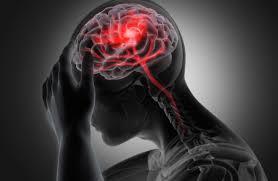
A traumatic brain injury occurs when an external force disrupts normal brain function. This most often happens when a sudden blow or jolt to the head causes the brain to move violently inside the skull. Car crashes, falls, and other accidents frequently cause this type of injury.
Unlike broken bones or soft-tissue injuries, the brain heals differently. Some effects of a traumatic brain injury may improve over time, while others can be permanent. Symptoms can appear immediately or develop days or even weeks after the injury.
Symptoms of Traumatic Brain Injuries
Traumatic brain injury symptoms vary depending on the severity of the injury and may fall into four main categories: physical, perceptual, cognitive, and behavioral.
Mild Traumatic Brain Injury (Concussion)
Mild TBIs often involve temporary disruption of brain function and may include:
-
Brief loss of consciousness (seconds or minutes)
-
Headache
-
Nausea or vomiting
-
Dizziness or balance issues
-
Fatigue or drowsiness
-
Blurred vision or ringing in the ears
-
Memory or concentration problems
-
Mood changes or irritability
While mild TBIs may improve with rest and medical monitoring, they should never be ignored.
Moderate to Severe Traumatic Brain Injury
More serious brain injuries can involve bruising, bleeding, torn brain tissue, or swelling. These injuries often require surgery, hospitalization, and extensive rehabilitation.
Physical symptoms may include:
-
Loss of consciousness for hours
-
Persistent or worsening headaches
-
Repeated vomiting or nausea
-
Seizures or convulsions
-
Unequal pupil size or dilated eyes
-
Clear fluid draining from the nose or ears
-
Difficulty waking up
-
Weakness, numbness, or loss of coordination
Perceptual symptoms may include:
-
Changes in vision, hearing, or touch
-
Balance problems
-
Difficulty sensing time or space
-
Heightened sensitivity to pain
-
Loss or distortion of smell or taste
Cognitive symptoms may include:
-
Difficulty processing or expressing thoughts
-
Trouble understanding others
-
Shortened attention span
-
Memory loss
-
Poor judgment or impaired decision-making
Behavioral and emotional symptoms may include:
-
Irritability or aggression
-
Reduced tolerance for stress
-
Emotional numbness or exaggerated reactions
-
Depression or anxiety
-
Denial of injury-related limitations
Common Accidents That Cause Traumatic Brain Injuries
Traumatic brain injuries are frequently caused by sudden, violent accidents. Some of the most common include:
Car Accidents
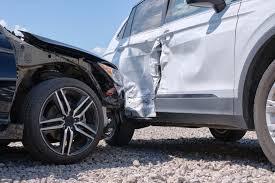
Motor vehicle crashes are one of the leading causes of TBIs. The abrupt stop of a collision can cause the head to strike the steering wheel, dashboard, windows, or other interior surfaces. Seatbelts and airbags help reduce risk but cannot prevent all head injuries.
Bicycle and Motorcycle Accidents
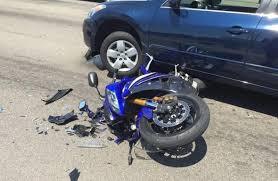
Bicyclists and motorcyclists lack the protection offered by enclosed vehicles. When riders are thrown from their bikes, their heads may strike the pavement or other objects. Helmets significantly reduce the risk of severe brain injury, but they do not eliminate it entirely.
Slips and Falls
Falls are a major cause of traumatic brain injuries, especially among children and older adults. A fall onto a hard surface can easily result in a serious head injury, even from standing height.
Boating Accidents
Boating accidents often involve sudden stops or violent movements caused by collisions or rough water. Passengers may be thrown against hard surfaces or overboard, leading to head injuries and traumatic brain damage.
Sports and Recreational Accidents
Contact sports and recreational activities carry a risk of traumatic brain injury due to collisions, falls, or being struck by equipment. These injuries can occur in both organized sports and casual recreational activities.
Speak With a Traumatic Brain Injury Lawyer
If you or a loved one suffered a traumatic brain injury due to someone else’s negligence, you may be entitled to compensation for medical expenses, lost income, rehabilitation, and long-term care needs. Traumatic brain injury cases are complex and require careful investigation and medical documentation.
An experienced personal injury attorney can help protect your rights and pursue the compensation you deserve while you focus on recovery.