
Pileup Accidents on the Highway Can Cause Catastrophic Injuries
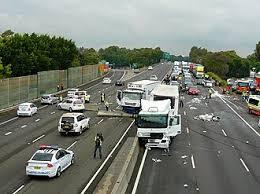
Few crashes are as violent and chaotic as a highway pileup. In a matter of seconds, one collision can trigger a chain reaction involving multiple vehicles—each impact compounding the damage of the last. When cars traveling at highway speeds collide one after another, the force can be devastating.
Victims of pileup accidents often suffer serious injuries, including:
-
Traumatic brain injuries (TBIs)
-
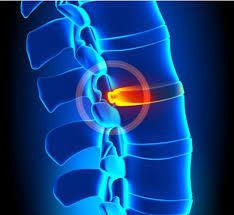
Neck and back injuries
-
Spinal cord damage
-
Crush injuries
-
Broken bones
-
Internal bleeding
If you were hurt in a multi-vehicle crash, you may be facing mounting medical bills, lost income, and significant physical pain. An experienced car accident attorney can evaluate your case, determine who may be responsible, and fight for the full compensation you deserve.
What Is a Pileup Accident?
A pileup accident—sometimes called a multi-vehicle collision—occurs when an initial crash leaves drivers behind with little or no time to react. Vehicles traveling too fast, following too closely, or failing to pay attention may slam into the original crash scene, creating a chain reaction.
In heavy traffic, especially on highways, this sequence can unfold rapidly:
-
Two vehicles collide.
-
Following drivers cannot stop in time.
-
Additional vehicles crash into the growing wreckage.
-
Drivers attempting to swerve may cause secondary collisions in adjacent lanes.
While some pileups involve only a few cars, others can grow to include dozens of vehicles. The more vehicles involved, the more complicated the injuries and liability issues become.
Why Highways Are Especially Dangerous
Highways are a common setting for pileups because they combine two dangerous factors: speed and traffic density.
At highway speeds, drivers have only seconds to respond to sudden changes in traffic. When a crash occurs ahead, even a moment’s delay in braking can lead to a violent rear-end collision. Add heavy traffic to the equation, and there is often nowhere to escape.
The faster vehicles are moving, the greater the force of impact—and the more severe the injuries.
Tailgating: A Leading Cause of Highway Pileups
Following too closely, commonly known as tailgating, is one of the primary causes of multi-vehicle crashes. When drivers fail to leave a safe following distance, they eliminate their margin for error.
If the vehicle ahead stops suddenly:
-
The tailgating driver may not have enough time to brake.
-
The resulting rear-end collision can push vehicles into others.
-
Drivers behind them may also be unable to stop in time.
This domino effect can quickly escalate into a full-scale pileup. Drivers who fail to maintain a safe distance may be held liable for the harm they cause.
Distracted Driving and Chain-Reaction Crashes
Distracted driving remains one of the most preventable causes of serious auto accidents. When a driver looks down at a phone, adjusts the radio, eats, or engages in any other distraction, they take their attention off the road at the worst possible time.
At highway speeds, even a brief distraction can be catastrophic. A distracted driver may:
-
Fail to notice slowing traffic
-
Miss brake lights ahead
-
React too late to avoid a collision
One inattentive moment can trigger a high-speed crash that sets off a chain reaction involving multiple vehicles.
Dangerous Weather Conditions Increase the Risk
Adverse weather frequently plays a role in major highway pileups. Rain, fog, snow, or ice can reduce visibility and make roads slick, limiting a driver’s ability to stop or maneuver safely.
Poor weather conditions can:
-
Increase stopping distance
-
Reduce tire traction
-
Obscure hazards ahead
-
Cause vehicles to hydroplane or skid
Even careful drivers can lose control in severe conditions. However, drivers who fail to adjust their speed or driving behavior for the weather may be found negligent.
Determining Liability in a Pileup Accident
Unlike a two-car crash, liability in a pileup accident is rarely straightforward. Multiple drivers may share responsibility, and each collision must be carefully analyzed.
An attorney will typically examine:
-
How the initial crash occurred
-
Whether any driver was speeding, distracted, or tailgating
-
Whether weather conditions were properly accounted for
-
Whether any vehicle defect contributed to the crash
In some cases, drivers who were not part of the initial collision may still bear partial responsibility if they acted negligently. Employers may also be liable if a driver was working at the time of the crash. In rare cases, a defective vehicle or auto part may contribute to liability claims against a manufacturer.
Because these cases are complex, a thorough investigation is critical to identifying every potentially responsible party.
Filing a Claim After a Multi-Vehicle Crash
Florida follows a no-fault insurance system, which means drivers typically turn first to their Personal Injury Protection (PIP) coverage after an accident. However, serious injuries often exceed PIP limits.
If your injuries are severe, you may be entitled to pursue a claim against the at-fault parties for damages such as:
-
Medical expenses (current and future)
-
Lost wages
-
Reduced earning capacity
-
Property damage
-
Pain and suffering
A skilled car accident attorney can gather evidence, consult experts, negotiate with insurance companies, and take your case to court if necessary. Insurance companies often attempt to shift blame in multi-vehicle crashes—having strong legal representation can make a significant difference in the outcome of your case.
You Don’t Have to Face This Alone
Pileup accidents are traumatic events that can leave victims with long-term physical, emotional, and financial consequences. When multiple vehicles are involved, the legal process becomes even more complicated.
You deserve answers. You deserve accountability. And you deserve compensation that truly reflects the impact this crash has had on your life.
If you or a loved one has been injured in a highway pileup, speaking with an experienced car accident attorney can help you understand your rights and options. A consultation can provide clarity and a path forward during a difficult time Contact (855-Call-Paul).