
Brachial Plexus Injuries After an Accident
The human body depends on a complex network of nerves working together to control movement, sensation, and strength. When a serious accident disrupts that system, the results can be painful and life-changing. One injury that is often overlooked after a traumatic event is damage to the brachial plexus.
Brachial plexus injuries frequently occur in car accidents, motorcycle crashes, falls, and other incidents involving sudden force or trauma to the neck and shoulder area. Because these injuries affect the nerves that control the arm and hand, victims may experience lasting pain, weakness, or even permanent disability.
At Applebaum Accident Group, we understand how devastating these injuries can be and how difficult it is for victims to recover physically, emotionally, and financially after a serious accident caused by someone else’s negligence.
What Is the Brachial Plexus?
The brachial plexus is a network of nerves that begins in the spinal cord and extends through the neck, shoulder, chest, and arm. These nerves control movement and sensation in the shoulders, arms, hands, and fingers.
The brachial plexus is formed by nerves that originate from the cervical and upper thoracic spine. As these nerves branch out from the spinal cord, they connect and travel through the shoulder area before continuing into the upper extremities.
Because this nerve network controls so many important functions, damage to the brachial plexus can significantly affect a person’s ability to use their arm or hand normally.
How Do Brachial Plexus Injuries Happen?
Brachial plexus injuries occur when the nerves are stretched, compressed, or torn due to sudden trauma. In severe cases, the nerves may even separate from the spinal cord.
These injuries are commonly associated with:
- Car accidents
- Motorcycle crashes
- Slip and fall accidents
- Bicycle accidents
- Sports injuries
- Traumatic childbirth injuries
Many brachial plexus injuries happen when the neck and shoulder are forced in opposite directions during an impact. For example, during a car accident, the seatbelt may hold the shoulder in place while the head is violently pushed to one side. This stretching motion can damage the delicate nerve structures in the neck and shoulder.
Another common cause involves forceful extension of the arm away from the body. This often occurs in falls where a person lands awkwardly with an arm extended overhead, placing tremendous stress on the nerves.
Symptoms of a Brachial Plexus Injury
Symptoms can vary depending on the severity of the injury and which nerves are affected. Some victims experience temporary symptoms, while others suffer permanent nerve damage.
Common symptoms include:
- Weakness in the shoulder, arm, or hand
- Numbness or tingling sensations
- Burning pain
- Loss of sensation
- Difficulty moving the arm or fingers
- Sharp “pins and needles” pain
- Muscle atrophy in severe cases
Because the symptoms may resemble other shoulder or neck injuries, brachial plexus injuries are sometimes misdiagnosed after an accident.
Diagnosing a Brachial Plexus Injury
Proper diagnosis is critical to receiving appropriate treatment. Doctors may use several methods to evaluate the injury, including:
- Physical examinations
- Neurological testing
- Electromyography (EMG)
- CT scans
- MRI imaging
Since these injuries involve complex nerve structures, it is important to seek medical attention as soon as possible after an accident. Early diagnosis can improve treatment outcomes and help prevent further complications.
Compensation for a Brachial Plexus Injury
A brachial plexus injury can lead to extensive medical treatment, rehabilitation, lost wages, and long-term pain. Some victims may require surgery, physical therapy, or ongoing medical care for years after the accident.
If your injury was caused by another party’s negligence, you may be entitled to compensation for:
- Medical expenses
- Future medical treatment
- Lost income
- Reduced earning capacity
- Pain and suffering
- Emotional distress
- Loss of quality of life
Insurance companies often attempt to minimize serious nerve injury claims. Having experienced legal representation can make a significant difference in protecting your rights and pursuing the compensation you deserve.
Contact Applebaum Accident Group
If you or a loved one suffered a brachial plexus injury after an accident, the legal team at Applebaum Accident Group is here to help. We fight aggressively for injury victims and work to hold negligent parties accountable.
Contact us (855-Call-Paul)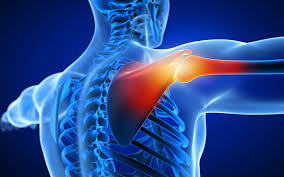 today for a free consultation to discuss your case and learn more about your legal options.