
Understanding Sacroiliac Joint Pain and Sciatica After an Accident
Back injuries are among the most common complaints following car accidents, slip and falls, and other traumatic incidents. While many people are familiar with conditions like herniated discs and sciatica, fewer understand the role the sacroiliac (SI) joint can play in causing severe lower back and leg pain.
If you have been injured in an accident and are experiencing persistent pain in your lower back, hips, buttocks, or legs, a sacroiliac joint injury may be responsible. Understanding the symptoms, causes, and treatment options can help you seek appropriate medical care and protect your legal rights.
What Is Sacroiliac Joint Pain?
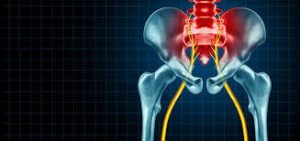
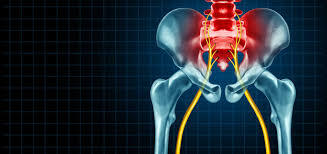
The sacroiliac joints connect the base of the spine to the pelvis. Located on either side of the sacrum, these joints play an important role in supporting the weight of the upper body and transferring forces between the spine and legs during movement.
Although the SI joints have a limited range of motion, they are essential for maintaining stability and absorbing shock. When these joints become damaged or dysfunctional, they can cause significant pain in the lower back, hips, buttocks, groin, and even the legs.
Because the symptoms often resemble other spinal conditions, sacroiliac joint injuries are frequently misdiagnosed or overlooked following an accident.
Common Causes of Sacroiliac Joint Pain
Medical professionals believe SI joint pain is often caused by abnormal movement within the joint. This can occur when the joint moves too much or too little.
Excessive Joint Movement
When the SI joint becomes unstable and moves more than it should, individuals may experience pain in the lower back, hips, pelvis, or groin. This condition is sometimes referred to as SI joint instability.
Restricted Joint Movement
In some cases, the joint becomes excessively stiff and loses its already limited mobility. This restricted movement can produce pain in the lower back and buttocks that may radiate down the leg, closely resembling sciatica.
Traumatic Injuries
Accidents are a leading cause of SI joint injuries. Common traumatic events include:
- Motor vehicle collisions
- Slip and fall accidents
- Workplace accidents
- Sports-related injuries
During a car crash, the force of impact can place tremendous stress on the pelvis and lower spine. Drivers and passengers often brace for impact, placing unusual pressure on the SI joints and surrounding structures. Even relatively low-speed collisions can result in painful injuries.
Similarly, falls that involve landing on the buttocks or lower back can damage the sacroiliac joint and surrounding ligaments, leading to chronic pain if left untreated.
What Is Sciatica?
Sciatica refers to pain that radiates along the path of the sciatic nerve, which runs from the lower back through the buttocks and down each leg.
Importantly, sciatica is not a medical condition itself. Rather, it is a symptom caused by an underlying injury or condition affecting the lower spine or nearby nerves.
Millions of Americans experience sciatica each year, and it is a common complaint among accident victims.
Symptoms of Sciatica
Sciatica symptoms can vary from mild discomfort to severe, debilitating pain. Common symptoms include:
- Pain that travels from the lower back into the buttock and leg
- Burning, sharp, or shooting pain
- Tingling or “pins and needles” sensations
- Numbness in the leg or foot
- Muscle weakness
- Difficulty standing, walking, or sitting for long periods
- Pain that worsens while seated
In most cases, symptoms affect only one side of the body, although both sides can occasionally be involved.
What Causes Sciatica?
Sciatica develops when the sciatic nerve becomes compressed, irritated, or inflamed. Several accident-related injuries can place pressure on the nerve, including:
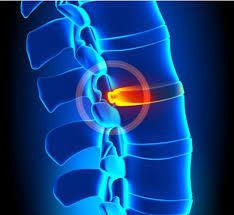
- Herniated discs
- Bulging discs
- Fractured vertebrae
- Spinal stenosis
- Degenerative disc disease
- Sacroiliac joint injuries
Because the sciatic nerve originates in the lower spine, the source of the injury may be different from the area where the pain is felt. This is why many individuals experience leg pain even though the underlying injury is located in the back.
Treatment Options for Sacroiliac Joint Pain and Sciatica
The appropriate treatment depends on the nature and severity of the injury. Common treatment options include:
- Anti-inflammatory medications
- Muscle relaxants
- Pain management medications
- Physical therapy
- Chiropractic care
- Steroid injections
- Activity modification
- Surgical intervention in severe cases
Prompt medical evaluation is critical. Delaying treatment can allow symptoms to worsen and may make recovery more difficult.
Can You Recover Compensation for a Sacroiliac Joint Injury?
If your SI joint injury or sciatica was caused by another party’s negligence, you may be entitled to compensation for your medical expenses, lost wages, pain and suffering, and other damages.
Insurance companies often attempt to minimize the seriousness of back injuries, especially those involving soft tissue damage or chronic pain conditions. Working with an experienced personal injury attorney can help ensure your injuries are properly documented and your claim is fully valued.
Contact Applebaum Accident Group
At Applebaum Accident Group, we understand how debilitating sacroiliac joint injuries and sciatica can be after an accident. Our legal team works closely with medical experts to help clients pursue the compensation they need for treatment, recovery, and future care.
If you or a loved one has suffered a back injury in a car accident, slip and fall, or another preventable incident, contact (855-Call-Paul)Applebaum Accident Group today for a free consultation. We can review your case, explain your legal options, and help you take the next steps toward recovery.